
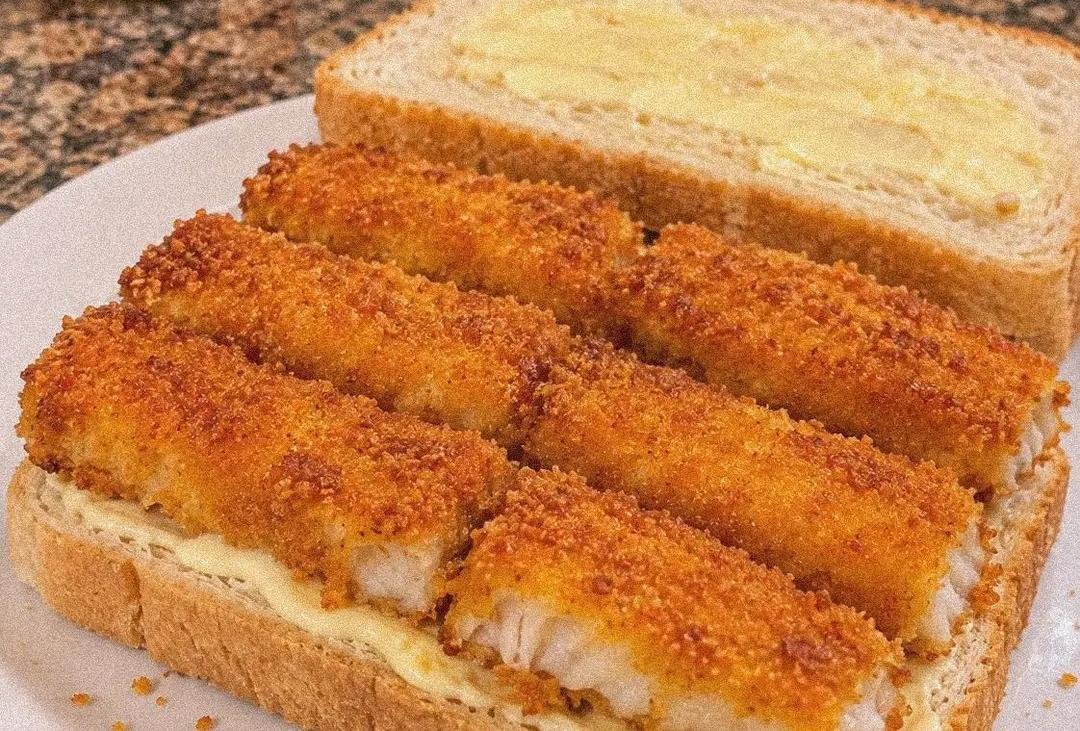
The Classic Fish Finger Sandwich is a beloved comfort food that’s quick and easy to prepare. Featuring crispy fish fingers nestled between soft white sandwich bread, this sandwich is a nostalgic favorite for all ages. Whether you’re preparing a fast lunch, a satisfying snack, or a simple dinner, this recipe delivers straightforward, delicious flavors every time.
Designed for busy home cooks and sandwich lovers alike, this recipe works perfectly with common pantry staples and frozen fish fingers. It combines convenience with a satisfying crunch and creamy elements like butter or mayonnaise, with optional ketchup or tartar sauce for extra zing. Ready in just 20 minutes, it’s a fuss-free sandwich that’s sure to please the whole family and perfect for any casual meal.
Why you’ll love this Classic Fish Finger Sandwich
- This sandwich is quick and easy to make, perfect for busy weeknights or casual lunches when time is limited.
- It uses frozen fish fingers, making it convenient and accessible year-round without compromising on taste.
- The soft white bread contrasts beautifully with the crispy fish fingers, creating a perfect balance of textures.
- You can customize it with butter, mayonnaise, tartar sauce, or ketchup to suit your personal taste preferences.
- It’s a nostalgic dish that brings comforting, familiar flavors that everyone, from kids to adults, enjoys.
Ingredients
- 12 frozen fish fingers
- 8 slices soft white sandwich bread
- 4 tbsp salted butter, softened, or 4 tbsp mayonnaise
- 4 tbsp tartar sauce (optional)
- 2 tbsp ketchup (optional)
- Salt to taste
- Black pepper to taste
This recipe calls for frozen fish fingers, which are widely available and easy to cook to a golden crisp. The soft white sandwich bread provides a tender, pillowy base that complements the crunchy fish perfectly. Salted butter or mayonnaise adds moisture and richness, while tartar sauce or ketchup can be added for tangy or sweet flavor boosts. Choosing good-quality frozen fish fingers ensures better flavor and texture—look for ones with a crispy coating and firm fish inside. Soft white bread with a fine crumb and slight sweetness is ideal, but feel free to experiment with other breads as desired.
Instructions
- Cook the fish fingers: Follow the package directions to bake the fish fingers until crisp and deep golden, approximately 12-15 minutes in a preheated oven at 220°C (425°F), turning once halfway through. Alternatively, air-fry them until hot and crunchy. Cooking thoroughly ensures a crispy exterior and tender fish inside.
- Toast the bread (optional): Lightly toast the sandwich bread slices if you prefer some extra texture, or keep them soft for a traditional chip-shop style sandwich. Toasting helps prevent sogginess and adds a subtle crunch.
- Spread the bread: Spread each slice of bread evenly with softened butter or mayonnaise. If using tartar sauce or ketchup, spread a small amount over the butter or mayo on each slice. This layering adds flavor and moisture.
- Assemble the sandwich: Place 3 cooked fish fingers on each of 4 bread slices. Trim or angle the fish fingers as needed to fit neatly on the bread. Arranging them carefully helps with even bites.
- Season: Lightly season the fish fingers with black pepper and a pinch of salt if desired to enhance the flavor. Seasoning at this stage brings out the fish’s natural taste without overpowering.
- Finish and serve: Top each sandwich with the remaining bread slices. Press gently to hold them together and serve immediately. Cut each sandwich in half if preferred for easier handling.
Tips for the best results
- Make sure the fish fingers are cooked until thoroughly crispy for best texture contrast; undercooked fish fingers can be soggy and less flavorful.
- Soft white bread is traditional, but lightly toasting can add pleasant crunch without losing softness inside, which also helps prevent moisture from soaking through.
- Use salted butter for extra flavor or mayonnaise for creaminess; either works well to add richness and moisture to the sandwich.
- Don’t overload the sandwich with fish fingers to avoid spillage; three per sandwich is ideal to keep a manageable bite and maintain balance.
- Season the fish fingers lightly to enhance their natural flavor without overpowering; too much salt can mask the delicate fish taste.
- Serve the sandwich immediately to enjoy the warm, crisp fish fingers and fresh bread before the texture softens.
Variations and substitutions
- Use whole wheat or multigrain bread for a healthier twist with more fiber and a nuttier flavor.
- Swap tartar sauce for a squeeze of lemon juice or a dollop of aioli for different flavor profiles that add brightness or richness.
- Try adding shredded lettuce, sliced tomato, or cucumber for extra freshness and crunch that lighten the sandwich.
- Replace fish fingers with homemade battered fish strips for a fresher, customizable option where you control seasoning and coating.
- Use vegan fish fingers and dairy-free spreads to create a plant-based version of this sandwich without sacrificing taste.
Serving suggestions
Serve the Classic Fish Finger Sandwich with a side of crispy fries or chunky chips for a traditional British experience that complements the sandwich’s textures. A simple green salad or coleslaw pairs nicely to add freshness and balance the richness of the sandwich, providing a crunchy contrast. For an extra touch, offer lemon wedges on the side to squeeze over the fish fingers, adding a zesty brightness that enhances the fish flavor. This sandwich also works well as a quick picnic option or packed lunch for kids and adults alike, providing a satisfying and portable meal.
Storage and reheating
This sandwich is best enjoyed fresh to maintain the crispiness of the fish fingers and softness of the bread. If you need to store leftovers, keep the fish fingers separate from the bread and sauces in an airtight container in the fridge for up to 2 days to prevent sogginess. When reheating, use an oven or air fryer to restore the fish fingers’ crunch and warmth before assembling the sandwich again. Avoid microwaving as it tends to make the fish fingers rubbery and the bread soggy.
Frequently asked questions
Can I use fresh fish instead of frozen fish fingers?
Yes, you can make your own fish fingers using fresh white fish fillets coated in breadcrumbs. This allows you to control the seasoning and quality of fish, but it requires more preparation time and attention to cooking to ensure the fish cooks evenly and the coating crisps up nicely. Baking or frying are common methods for homemade fish fingers.
Is it better to toast the bread or keep it soft?
Both options work well depending on your preference. Toasting adds a slight crunch and helps prevent the bread from becoming soggy when combined with moist fillings or sauces. Soft bread, on the other hand, gives a classic chip-shop sandwich feel that many find comforting and nostalgic. You can lightly toast the bread to get a balance of texture and softness.
Can I freeze the assembled sandwich?
It’s not recommended to freeze the assembled sandwich because the bread will become soggy upon thawing and the texture of the fish fingers may degrade. Instead, freeze the fish fingers separately and assemble the sandwich fresh when ready to eat. This approach maintains the best texture and flavor.
What sauces go best with a fish finger sandwich?
Tartar sauce is the classic choice, providing tangy creaminess that complements the fish nicely. Ketchup adds sweetness and a familiar flavor loved by kids. Mayonnaise offers smooth richness, while lemon aioli or a mustard-based sauce can add extra zest and complexity. Choose based on your taste preferences or mix and match.
How can I make this sandwich healthier?
To make the sandwich healthier, use whole grain bread to increase fiber content and add nutrients. Bake the fish fingers instead of frying to reduce fat, and add fresh vegetables like lettuce, cucumber, or tomato to boost vitamins and fiber. Opting for low-fat mayonnaise or skipping the butter reduces calories, and using homemade or lower-sodium fish fingers can cut down on preservatives and salt.
Final thoughts
The Classic Fish Finger Sandwich is a delightful and easy meal that brings comfort and nostalgia to your table in just minutes. Its delicious combination of crispy fish fingers and soft bread, enhanced with simple spreads and seasonings, makes it a versatile dish for any occasion from quick lunches to casual dinners. With a few simple ingredients and easy steps, you can create a satisfying sandwich that’s sure to become a family favorite. Give this recipe a try today and enjoy a timeless classic with every bite.