
It started as a completely ordinary morning.
I had just opened a package of bacon, planning a quick breakfast before work.
Nothing fancy—just a simple meal, the kind of easy recipe millions of Americans make every week.
But the moment I separated the bacon slices, something strange caught my eye.
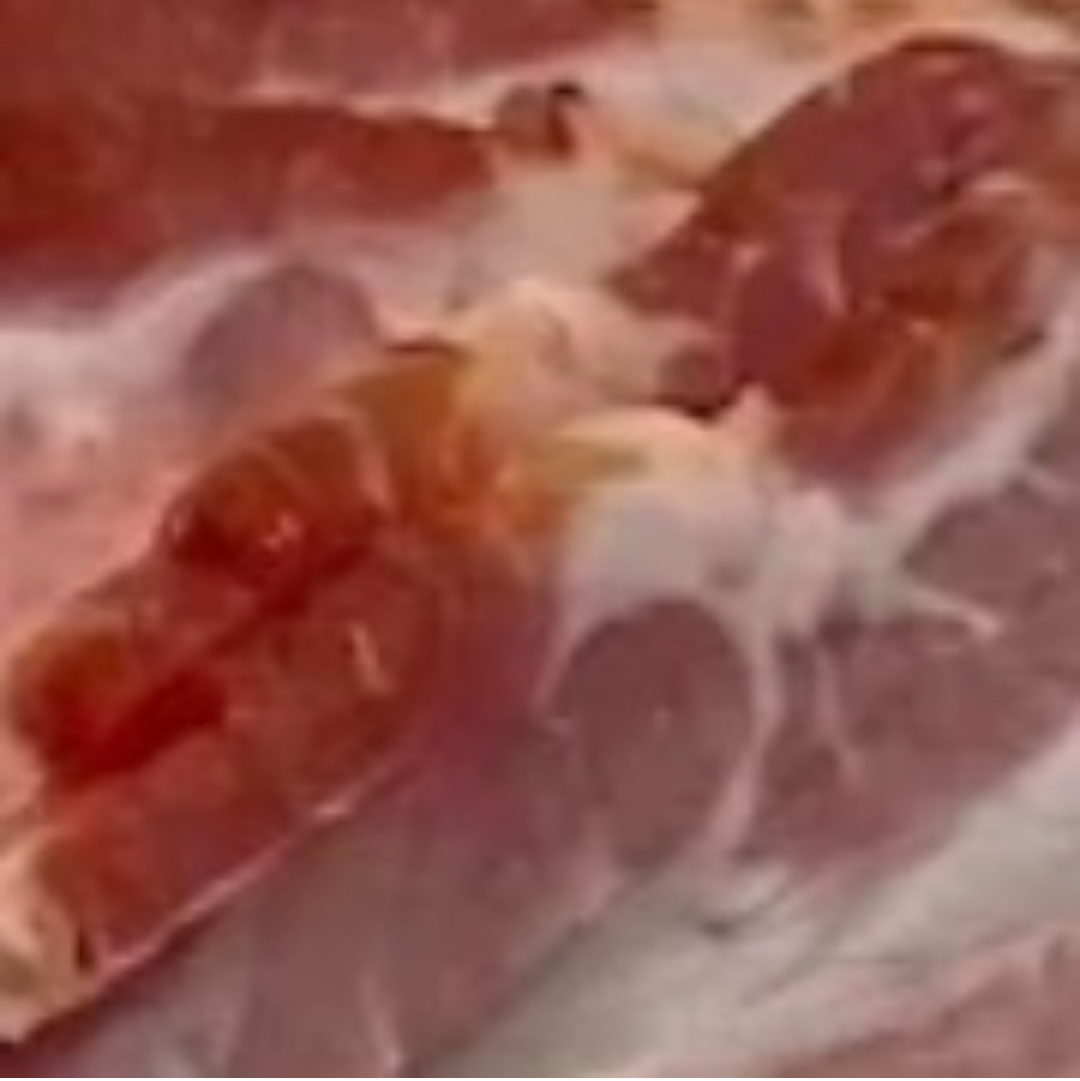
Nestled between the strips was a pale, rubbery chunk that looked completely out of place.
My stomach dropped.
At first glance, it didn’t even look like food.
My mind immediately jumped to worst-case scenarios.
Was it plastic? Some kind of contamination? Had something gone wrong during processing? If you’ve ever focused on healthy eating, meal prep, or feeding your family nutritious meals, you know how unsettling it can be when something unexpected shows up in your food.
For several minutes, I couldn’t stop staring at it.
The more I looked, the more concerned I became.
But after researching the issue and learning what it actually was, I realized the truth was far less alarming—and surprisingly educational.
What I discovered taught me an important lesson about food safety, healthy eating, and understanding where our food comes from.
Why You’ll Love This Article✔ Learn what unusual pieces found in packaged meat may actually be ✔ Improve your kitchen food safety knowledge ✔ Feel more confident when preparing meals for your family ✔ Reduce unnecessary worry about common food-processing surprises ✔ Discover practical healthy eating and meal prep tips ✔ Better understand how food reaches your grocery store Ingredients(No ingredients provided in the original content) Instructions / Method(No instructions provided in the original content) What Was the Strange Bacon Chunk?After a closer inspection and some research, the mystery object turned out to be cartilage.
While it may appear alarming at first, cartilage is a natural connective tissue found in animals.
During meat processing, small pieces can occasionally remain attached to cuts of bacon and other pork products. Because modern grocery stores present food in neat, uniform packaging, many people rarely think about the natural structures that exist in meat.
When an unusual piece appears, it can seem shocking.
In reality, finding cartilage is generally harmless and far more common than most consumers realize.
Although many people prefer to remove it because of its texture, it does not automatically indicate contamination or a food safety issue. Is This Healthy?This isn’t a traditional recipe, but understanding food quality and food safety is an important part of healthy eating.
Many people focus on: Calories Protein Carbohydrates Weight loss goals Meal prep strategies However, food awareness is equally important. Knowing how food is processed and understanding what you’re eating can help reduce anxiety and encourage healthier long-term habits.
Cartilage itself contains collagen and connective tissue proteins. While most people don’t intentionally seek it out, it is not considered harmful when found in properly handled meat products. The key is recognizing the difference between natural food components and signs of spoilage. Always inspect food for: Unusual odorsSlimy texturesDiscolorationDamaged packagingThese signs are far more important indicators of food safety than a small piece of cartilage. Calories & NutritionSince bacon is the focus of this story, here’s a general nutritional overview. Per Slice of Cooked BaconCalories: 40–50 Protein: 3 grams Fat: 3–4 grams Carbohydrates: 0 grams Sodium: 130–190 mg Bacon can fit into a balanced diet when consumed in moderation. Many people include it in: High protein breakfastsLow-carb meal plansKeto dietsWeekend brunch recipesQuick breakfast meal prepBecause bacon contains significant sodium and saturated fat, pairing it with fruits, vegetables, eggs, or whole grains can help create a more balanced meal. Food Safety Tips for Best ResultsThe best way to feel confident in your kitchen is to develop strong food safety habits. Inspect Food Before CookingAlways take a quick look at packaged meats before preparing them. Store Meat ProperlyKeep bacon refrigerated and use it before the expiration date. Check PackagingAvoid products with damaged seals, tears, or excessive liquid buildup. Trust Your SensesSpoiled meat often develops unpleasant odors, sticky textures, or unusual colors. Buy From Reputable SourcesChoosing trusted grocery stores and quality brands can improve consistency and safety. Learn About Food ProcessingThe more you understand how food is produced, the less likely you are to panic when something unfamiliar appears. Common Things People Mistake for ContaminationMany items that seem alarming are actually harmless. These include: CartilageConnective tissueSmall fat depositsBlood spotsBone fragmentsNatural variations in meat colorUnderstanding these differences can save you unnecessary worry and prevent food waste. Healthy Alternatives to BaconIf this experience made you rethink processed meats, there are plenty of alternatives. Turkey BaconLower in fat and calories than traditional pork bacon. EggsAffordable, versatile, and naturally high in protein. Avocado ToastA heart-healthy breakfast option packed with healthy fats. Chicken SausageA leaner protein source for breakfast meal prep. Plant-Based Protein OptionsGreat for individuals focused on clean eating or reducing processed foods. Frequently Asked QuestionsIs it normal to find cartilage in bacon?Yes. While it doesn’t happen often, cartilage is a natural part of the animal and can occasionally remain after processing. Is cartilage safe to eat?Generally, yes. Most people remove it because of texture rather than safety concerns. How do I know if bacon is actually spoiled?Look for a sour odor, slimy surface, gray discoloration, or damaged packaging. Should I throw away the entire package?Not necessarily. If the bacon smells normal, looks fresh, and remains within its expiration date, the rest is typically safe. Is bacon okay for meal prep?Yes, when used in moderation as part of a balanced diet that includes vegetables, fruits, and lean proteins. Can unusual pieces appear in other meats too?Absolutely. Chicken, beef, pork, and fish can all contain natural connective tissues that occasionally surprise consumers. You May Also LikeEasy High Protein Breakfast Ideas for Busy MorningsHealthy Meal Prep Recipes for Weight LossQuick Dinner Recipes Ready in 30 MinutesBeginner’s Guide to Clean EatingBest Low-Carb Breakfast RecipesEssential Kitchen Food Safety TipsHow to Store Meat Safely in the RefrigeratorSmart Grocery Shopping Tips for Healthy FamiliesFinal ThoughtsWhat started as a surprising discovery inside a package of bacon turned into an important reminder about food awareness. Not everything that looks unusual is dangerous. Sometimes the things that concern us most turn out to be completely natural parts of the foods we eat every day. The next time you notice something unexpected in your groceries, take a moment before assuming the worst. Inspect it carefully. Stay informed. Trust reliable information. And remember that healthy eating isn’t just about choosing the right foods—it’s also about understanding them. The more informed you become, the more confident you’ll feel in your kitchen and in the choices you make for yourself and your family.