
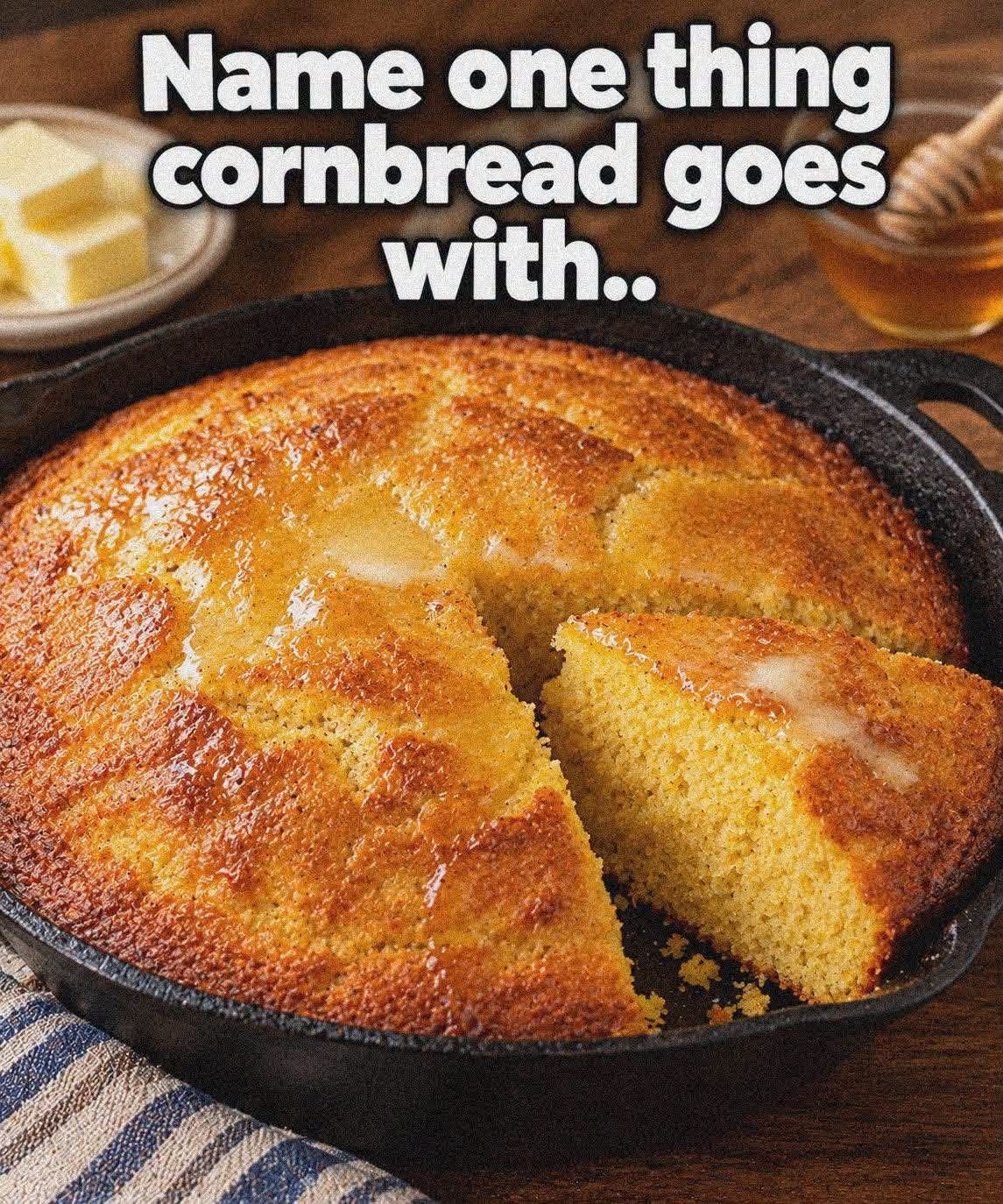
Southern Cornbread is a cherished quick bread that embodies the heart of Southern cooking. This classic recipe offers a tender crumb with a slightly crispy, golden crust, achieved through the perfect combination of buttermilk and butter. Ideal for family dinners, potlucks, or whenever you want to add a comforting, authentic touch to your meal, this cornbread is straightforward to prepare and consistently satisfying.
With just about 10 minutes of prep time and 20 to 25 minutes of baking, this Southern Cornbread recipe fits seamlessly into busy schedules. Whether you’re a beginner baker or an experienced home cook, this method provides reliable, delicious results every time, making it a staple for any kitchen.
Why you’ll love this Southern Cornbread
- It boasts a tender interior with a slightly crispy crust that pairs beautifully with a variety of savory dishes.
- The inclusion of buttermilk contributes a subtle tang and moisture that enrich the overall flavor profile.
- This recipe is quick and easy, perfect for busy weeknights or unexpected guests.
- Baking in a cast-iron skillet ensures even heat distribution, creating a perfectly golden and crispy crust.
- Its versatility makes it a great accompaniment to chili, soups, barbecue, or enjoyable on its own.
Ingredients
- 1 cup yellow cornmeal
- 1 cup all-purpose flour
- 1 tablespoon baking powder
- 1/2 teaspoon baking soda
- 1 teaspoon kosher salt
- 2 tablespoons sugar (optional, but matches the slightly glossy, sweeter-looking style)
- 2 large eggs
- 1 1/4 cups buttermilk
- 6 tablespoons unsalted butter, melted, plus 1 tablespoon for the skillet
This recipe depends on a few key Southern staples that define its character. Yellow cornmeal provides the signature coarse texture and authentic corn flavor essential to traditional cornbread. Pairing it with all-purpose flour balances the crumb, preventing it from becoming too dense while maintaining tenderness. Buttermilk is a crucial ingredient, offering acidity that reacts with the baking soda to create lift and moisture, resulting in a light yet moist bread. Fresh eggs add richness and help bind the batter, while melted butter imparts depth of flavor and aids in achieving a golden, crisp crust. For best results, use a quality cast-iron skillet; its ability to retain and evenly distribute heat is key to producing that coveted crust and uniform bake.
Instructions
- Preheat your oven. Set it to 425°F (220°C) and place a 10-inch cast-iron skillet inside to heat thoroughly. This ensures the skillet is hot enough to create a sizzle when the batter is added, which is essential for that crispy crust.
- Mix dry ingredients. In a medium bowl, whisk together the cornmeal, flour, baking powder, baking soda, salt, and sugar if using, ensuring even distribution. This step helps to activate the leavening agents uniformly and prevents clumping.
- Combine wet ingredients. In another bowl, whisk the eggs, buttermilk, and 6 tablespoons of melted butter until smooth and well blended. This mixture provides moisture and richness, essential for a tender crumb.
- Blend wet and dry. Pour the wet mixture into the dry ingredients. Stir gently just until no dry streaks remain—avoid overmixing to keep the bread tender. Overmixing can develop gluten and make the cornbread tough.
- Prepare the skillet. Carefully remove the hot skillet from the oven, add 1 tablespoon of butter, and swirl it around to coat the bottom and sides evenly. The melted butter sizzling in the hot pan forms the signature crispy edges.
- Pour and bake the batter. Pour the batter into the hot skillet; it should sizzle slightly. Place it back in the oven and bake for 20 to 25 minutes until the top is a deep golden brown and a toothpick inserted in the center comes out clean. The sizzle from the hot skillet helps create a crusty exterior while keeping the inside moist.
- Cool and finish. Let the cornbread cool in the skillet for 5 to 10 minutes. Brush the top with a little extra melted butter before slicing into wedges and serving. This final butter layer adds a glossy finish and extra flavor.
Tips for the best results
- Use freshly ground cornmeal. Fresher cornmeal has a more pronounced corn flavor and better texture, which greatly enhances the bread’s taste and mouthfeel.
- Keep buttermilk cold. Cold buttermilk helps activate the baking soda properly, which produces better rise and texture in your cornbread.
- Do not overmix the batter. Mixing until just combined, even if a few lumps remain, prevents gluten overdevelopment that can make the bread tough and dry.
- Preheat the cast-iron skillet thoroughly. A well-heated skillet is essential for that crispy crust and even baking, as it immediately starts cooking the batter edges upon contact.
- Brush with melted butter right after baking. This adds richness, enhances flavor, and keeps the crust from becoming hard as it cools.
- Check for doneness early. Use a toothpick to test around 20 minutes to avoid overbaking, which can dry out the cornbread.
Variations and substitutions
- Cheese Cornbread: Stir in 1 cup shredded sharp cheddar before baking for a savory, melty addition that complements the corn flavor.
- Jalapeño Cornbread: Add 1-2 finely chopped jalapeños to the batter for a spicy twist that livens up the classic recipe.
- Honey-Sweetened: Replace sugar with honey to introduce natural sweetness and add moisture, creating a softer crumb.
- Gluten-Free: Substitute all-purpose flour with a gluten-free flour blend designed for baking to accommodate dietary needs without sacrificing texture.
- Herbed Cornbread: Mix in 2 tablespoons of fresh chopped herbs like rosemary or thyme for an aromatic and flavorful variation.
Serving suggestions
Southern Cornbread is a versatile side that pairs beautifully with hearty, flavorful dishes. It complements chili perfectly by soaking up the spicy sauce, and it’s a classic accompaniment to barbecue ribs or fried chicken, balancing rich, smoky flavors. Serve it warm with a pat of butter or a drizzle of honey for a simple yet indulgent treat. It also pairs well with soups and stews, where its crumbly texture absorbs and enhances the broth. For an authentic Southern meal, serve alongside baked beans and collard greens to round out the plate with traditional flavors.
Storage and reheating
To keep Southern Cornbread fresh, store leftovers wrapped tightly in plastic wrap or in an airtight container at room temperature for up to 2 days. If you want to preserve it longer, freeze the cornbread in a resealable freezer bag for up to 3 months; slice it before freezing for easier reheating. When reheating, warm slices in a preheated oven at 350°F (175°C) for 10-15 minutes to restore crispness and warmth. Alternatively, microwave briefly until heated through, then brush with melted butter to refresh the flavor and moisture.
Frequently asked questions
Can I make Southern Cornbread without buttermilk?
If buttermilk isn’t available, you can create a simple substitute by adding 1 tablespoon of white vinegar or lemon juice to 1 1/4 cups of regular milk. Let it sit for about 5 minutes to curdle slightly before using. This acidity mimics buttermilk’s role in activating the baking soda, helping achieve a tender crumb and proper rise in the cornbread.
Why is my cornbread crumbly or dry?
Dry or crumbly cornbread usually results from overmixing the batter, which develops gluten and toughens the bread, or from overbaking, which dries it out. To avoid this, mix the batter just until ingredients are combined, even if some lumps remain, and begin checking for doneness a few minutes before the suggested baking time. Keeping a close eye on the bake prevents moisture loss and ensures a tender crumb.
Can I use a different type of pan instead of cast iron?
While a cast-iron skillet is ideal for producing a crispy, golden crust due to its excellent heat retention, you can substitute with a metal or glass baking dish if needed. When using these alternatives, reduce the oven temperature slightly to prevent burning and expect a softer crust. The texture will be less crisp but still delicious.
Should I add sugar to Southern Cornbread?
Traditional Southern cornbread recipes often omit sugar, resulting in a savory bread that pairs well with spicy or smoky dishes. However, adding sugar introduces a subtle sweetness and a slightly glossy, more tender crumb that some people prefer. Including sugar is optional and depends on your personal taste and what you plan to serve the cornbread with.
How do I get a crispy crust on my cornbread?
Achieving a crispy crust depends largely on preheating the cast-iron skillet until it is very hot and melting butter in it just before adding the batter. This high heat instantly starts cooking the edges, creating that desirable crispness. Additionally, avoid opening the oven door repeatedly during baking, as temperature fluctuations can prevent the crust from forming properly.
Final thoughts
Southern Cornbread remains a beloved quick bread that adds warmth and depth to any meal. Its simple ingredients and clear, reliable preparation make it accessible to cooks of all skill levels. By following this recipe, you’ll enjoy a perfect balance of moist tenderness and crispy golden crust, bringing a slice of Southern tradition right into your kitchen. Give it a try and savor the comforting flavors of this timeless classic.